What to Expect During a Professional Roof Certification
People seeking a roof certification typically want to ensure their roof is in good condition; local contractors can perform inspections and provide certifications to meet this goal.
If you’re considering a professional roof certification, understanding what to expect during the process can help ease any concerns. Typically, local contractors will begin with a thorough inspection of your roof’s current condition, checking for signs of damage, wear, or potential issues that could affect its integrity. This assessment often includes examining the roofing materials, flashing, gutters, and ventilation systems. Knowing that experienced service providers follow a detailed evaluation ensures property owners are equipped with accurate information about their roof’s health and readiness, especially when preparing for a sale, refinancing, or insurance purposes.
As the inspection progresses, contractors may provide a comprehensive report outlining their findings and any recommended repairs or maintenance. This step can offer valuable insights into the longevity and safety of your roof, helping property owners make informed decisions about necessary updates. Local pros who specialize in roof certifications understand the importance of transparency and thoroughness in their evaluations. Keep reading to learn more about the typical steps involved and how these services can support your property’s ongoing protection and value.
- Roof inspection - homeowners may need a roof certification to verify the condition of their roof before selling or insuring a property, and local contractors typically perform a thorough visual assessment.
- Damage assessment - during a roof certification, service providers evaluate existing damage or wear to determine if repairs are necessary, ensuring the roof meets safety standards.
- Structural evaluation - if there are signs of potential structural issues, local pros examine the roof’s framing and support systems as part of the certification process.
- Leak detection - professionals check for signs of leaks or water intrusion that could affect the roof’s integrity, providing detailed findings during the certification.
- Documentation review - local service providers compile and review all relevant roof information, including previous repairs or modifications, as part of the certification report.


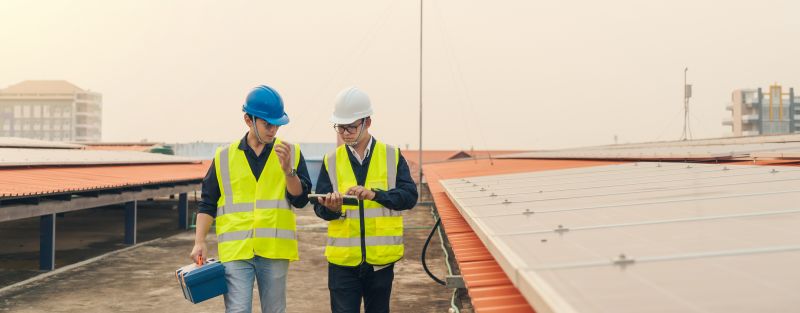
A professional roof certification is a thorough inspection process that assesses the current condition of a roof to determine its integrity and safety. When homeowners or property managers search for this topic, they often want to understand what the inspection entails, why it’s necessary, and what kind of information they will receive afterward. Typically, a roof certification is requested during real estate transactions-either before buying or selling a property-to verify that the roof is in sound condition and can support the value of the home. It can also be part of ongoing property maintenance or a requirement for insurance purposes. The goal is to provide a clear, unbiased evaluation of the roof’s current state, which helps property owners make informed decisions about repairs, replacements, or investments.
The process of a roof certification usually involves a comprehensive visual inspection by a trained service provider. During this assessment, the professional examines the roof’s surface, looking for signs of damage, wear, or potential failure points such as cracked or missing shingles, rusted flashing, or deteriorated sealants. They may also inspect the roof’s structure and drainage systems, including gutters and downspouts, to ensure proper function. In some cases, the inspector might use specialized tools or techniques, like drone technology or moisture meters, to evaluate hard-to-see areas or hidden issues. The findings are then documented in a detailed report that highlights any problems, recommends repairs if needed, and states whether the roof meets the criteria for certification.
Different types of properties often undergo roof certification, including single-family homes, multi-family apartment buildings, commercial structures, and even industrial facilities. Residential properties are the most common, especially when a home is on the market or preparing for a significant sale. Commercial properties, which tend to have larger and more complex roof systems, also frequently require certification to confirm their condition and ensure compliance with insurance or leasing agreements. Regardless of the property type, local service providers who specialize in roof inspections understand the unique features and challenges associated with different roof designs and materials, ensuring that the certification process is thorough and accurate.
Understanding what to expect during a professional roof certification can help homeowners and property managers prepare for the inspection and know what the process involves. When engaging with local contractors, it’s important to recognize that they will conduct a detailed visual assessment, possibly supplemented with additional diagnostic tools, to evaluate the roof’s overall health. They will provide a report that clearly states the condition of the roof, notes any issues found, and offers guidance on necessary repairs or maintenance. This process not only helps confirm the roof’s current state but also provides valuable documentation that can support real estate transactions or insurance claims. Connecting with experienced service providers ensures that the certification is performed correctly and efficiently, giving property owners peace of mind about their roof’s condition.
Roof inspection services - these projects involve detailed assessments of roof conditions, utilizing similar tools and planning processes as those used during roof certification evaluations.
Leak detection and repair - identifying and fixing roof leaks requires careful planning and specialized equipment, aligning closely with the skills needed for certification inspections.
Roof replacement consultations - evaluating roof structures and materials for replacement projects shares technical knowledge with the certification process.
Storm damage assessment - inspecting roofs for damage after severe weather involves thorough evaluation techniques similar to those during certification inspections.
Roof ventilation and insulation upgrades - planning and implementing improvements in ventilation systems require understanding of roofing systems akin to certification procedures.
Gutter and drainage system services - ensuring proper drainage involves inspection and planning skills that complement the processes involved in roof certification.
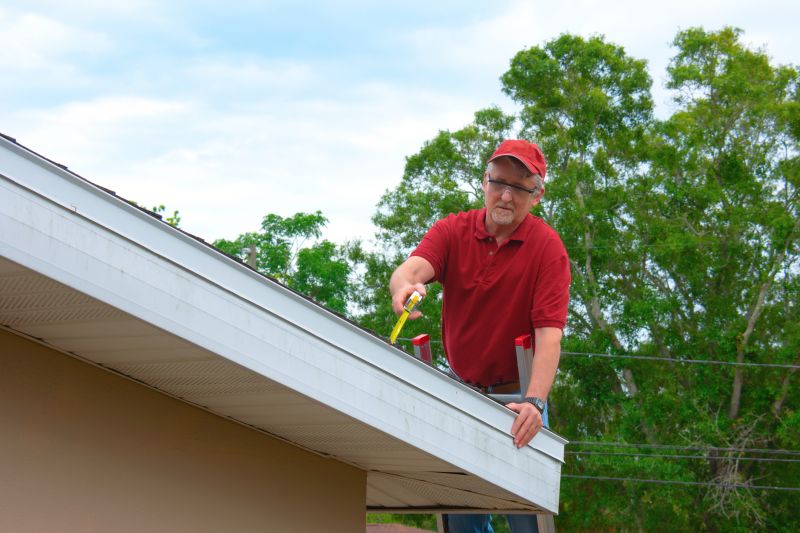
When comparing service providers for a roof certification, it’s important to consider their experience with similar projects. Homeowners should look for local contractors who have a track record of performing roof evaluations comparable to what a certification entails. An experienced professional will understand the nuances of different roofing systems, common issues to look for, and the standards used during inspections. This background can help ensure that the certification process is thorough and accurate, providing confidence that the roof’s condition has been properly assessed.
Clear, written expectations are a key factor when evaluating potential service providers. Reputable local contractors should be able to outline what their roof certification process includes, such as the scope of inspection, what areas will be examined, and any documentation provided afterward. Having this information in writing helps homeowners understand exactly what to expect, reduces surprises, and ensures that the certification meets their specific needs. It’s also helpful to clarify any questions about what the inspection covers to make sure the service aligns with the homeowner’s goals.
Finally, reputable references and good communication are essential when choosing a professional for roof certification services. Homeowners should seek out local contractors who can provide references from past clients or examples of completed projects similar in scope. Good communication means that the service provider is responsive, clear, and willing to answer questions throughout the process. This level of professionalism helps ensure that the roof certification is handled smoothly, with transparency and attention to detail, giving homeowners peace of mind about the condition of their roof.
Property owners often search for what to expect during a professional roof certification when they are planning practical projects around their homes and businesses. Local pros provide Roof Certification services for everyday jobs and straightforward project options.
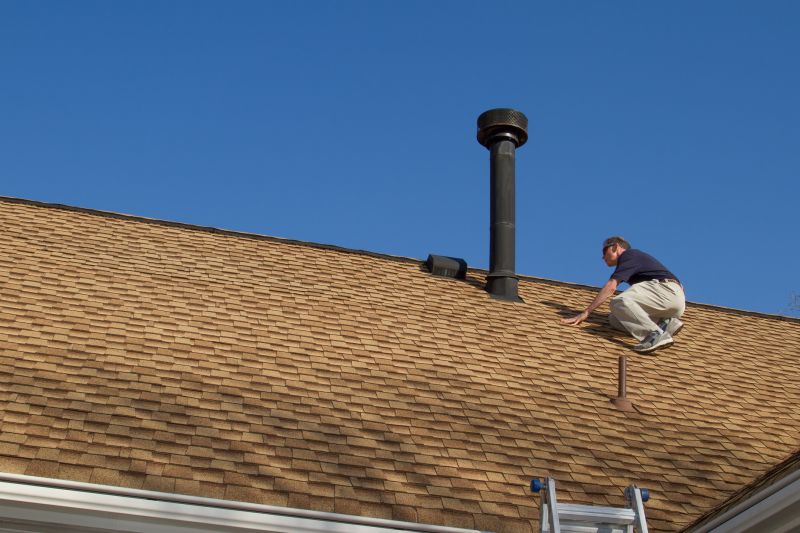

During a professional roof certification, property owners can expect a thorough inspection of the roof's overall condition. Local contractors will typically examine the shingles, flashing, and other key components for signs of damage, wear, or potential leaks. This process often involves walking on the roof to assess its surface and may include inspecting the attic or interior spaces for signs of moisture or structural issues. Homeowners might be present during the inspection to ask questions or gain a better understanding of their roof’s current state, making it a straightforward step in maintaining or preparing for future projects.
Many property owners seek roof certification services to confirm the integrity of their roof, especially before selling a property or completing insurance claims. During the process, local service providers will identify areas that need repairs or reinforcement, providing a clear picture of the roof’s condition. This helps owners make informed decisions about repairs, replacements, or maintenance plans. Understanding what to expect during a professional roof certification can help property owners feel more prepared and confident in managing their roof’s health, knowing that experienced local contractors are equipped to handle the assessment thoroughly and efficiently.
What happens during a professional roof certification? During a roof certification, local contractors typically inspect the roof's condition, check for damage or wear, and assess its overall integrity to determine if it meets safety and durability standards.
How do professionals evaluate the roof’s condition? They perform a visual inspection from the ground and on the roof, looking for signs of damage, leaks, or deterioration, and may use tools to assess the roof's structure and materials.
What should I expect in terms of inspection process? The process usually involves a thorough walk-over of the roof surface, checking flashing, shingles, and other components, often including a report that details the findings and any recommended repairs.
Are there any specific areas that are closely examined? Yes, local contractors tend to focus on areas prone to damage such as flashing, vents, valleys, and the roof’s overall slope and condition of roofing materials.
Will I receive documentation after the certification? Yes, most service providers will provide a certification report or documentation that confirms the roof’s condition and compliance with relevant standards.
Understanding the Inspection Process - Property owners can learn what aspects of their roof will be examined during a professional roof certification to prepare for the evaluation.
Identifying Potential Issues - Local contractors can help identify common problem areas that may need attention before the certification, supporting proactive maintenance.
Assessing Roof Condition - Homeowners can use the certification to get an accurate picture of their roof’s current state, aiding in planning future repairs or upgrades.
Gaining Certification Documentation - The certification report provides official documentation that can be useful for insurance, sales, or refinancing purposes.
If you are thinking about what to expect during a professional roof certification for a property, this guide is meant to help you understand this topic, the typical project types, and how different options might fit your plans.
When you are ready, you can use the quote form on this page to share a few details about your project. From there, local pros can review the basics and follow up with options that match what you have in mind.